
According to the American Trucking Associations, the average over-the-road (OTR) driver spends approximately 240 nights per year away from home. That's more than six months of sleeping in a cab, not a bed you share. Yet thousands of couples thrive in these relationships - not because they're lucky, but because they've learned how to communicate, plan, and stay emotionally close despite the distance. Whether you're dating someone who travels for work or you're already married to a truck driver, the strategies below will help you build a bond that survives the miles.
TL;DR - Key Takeaways
- Long haul relationship dating succeeds when both partners prioritize consistent, quality communication over constant contact.
- Setting clear expectations about schedules, availability, and home time prevents resentment and anxiety.
- Emotional resilience - maintaining your own life, hobbies, and support network - is essential for the at-home partner.
- Technology like shared calendars, video calls, and route-aware messaging bridges the gap better than any single tool.
Strategies for Staying Connected on the Road
Staying connected when your partner is a truck driver means working with the constraints of the road, not against them. Federal hours-of-service regulations limit driving to 11 hours per shift, and cell coverage drops in remote areas. The couples who stay closest don't fight these realities - they build routines around them.

Create a Daily Check-In Ritual
Pick a consistent time - usually during the driver's overnight stop or 30-minute break - for a dedicated call or video chat. The predictability matters more than the length. Even ten minutes of focused conversation every night builds a rhythm that both partners can rely on.
Use Voice Notes During Driving Hours
A driver can listen to a voice message at a red light or fuel stop, even when they can't hold a phone. Voice notes feel more intimate than text and fit naturally into the fragmented rhythm of the road. Send updates about your day, encouragement, or just a quick "thinking of you."
Share a Route Calendar
A shared Google Calendar with approximate routes, estimated arrival times, and home days eliminates the constant "where are you now?" anxiety. Both partners can see the week at a glance and plan accordingly. Update it together during home time so expectations are aligned before the next run.
Plan Truck Stop Meetups
If you live near a major interstate corridor, meeting your driver at a truck stop for dinner or coffee turns a layover into a date. It breaks up the monotony of the road and gives you face-to-face time without waiting for home days. Many couples say these mid-route visits are the secret to staying close.
Managing Time and Expectations in Long Haul Dating
Time management is the make-or-break skill in long haul relationship dating. The at-home partner often feels like they're living in a holding pattern - waiting for the next call, the next visit, the next stretch of home time. The driver, meanwhile, is operating under rigid federal regulations and dispatcher-assigned schedules that leave little room for spontaneity. Bridging this gap requires honesty about what's realistic and what's not.
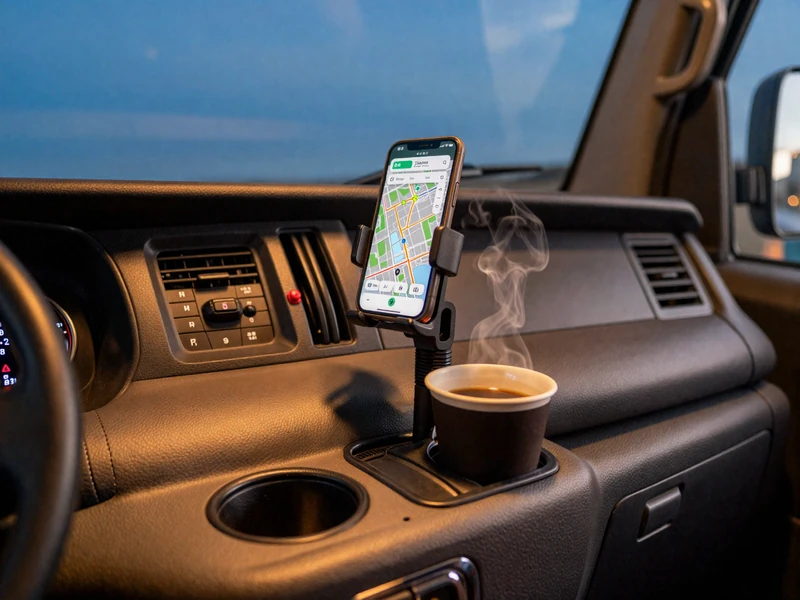
Here's the reality: a truck driver's schedule is shaped by freight availability, delivery deadlines, weather, traffic, and Department of Transportation regulations. When a load gets delayed or a route changes, plans shift - sometimes within hours. Couples who thrive in long haul relationships learn to treat plans as flexible rather than fixed. They build backup activities for canceled dates, celebrate home time whenever it arrives, and resist the urge to blame the driver for circumstances beyond their control.
"The turning point for us was accepting that the schedule would never be predictable. Once we stopped fighting that and started planning around it, the resentment disappeared - and so did most of our arguments." - Wife of an OTR driver, married 11 years, interviewed 2025
One practical approach: designate home time as "protected time." That means no nonessential errands, no social obligations that pull you in different directions, and no work brought home. Even if home time is only three or four days a month, treating those days as sacred - focused entirely on reconnection - transforms the quality of the relationship. The driver gets to feel truly home, and the at-home partner feels prioritized rather than squeezed into a tight schedule.
Emotional Tips for Being Married to a Truck Driver
Being married to a truck driver carries a unique emotional weight. The loneliness is real, the worry is constant, and the absence can stretch into weeks. But thousands of trucker marriages not only survive - they flourish. The difference comes down to emotional habits that build resilience over time.
- Maintain your own full life. The single most important thing you can do is build a rich, independent life - hobbies, friendships, career goals, and routines that are yours alone. A relationship where one partner merely waits is a recipe for resentment. Independence isn't distance; it's strength.
- Address insecurities directly. If you feel anxious about trust or distance, say so - calmly and honestly. Passive-aggressive hints and silent treatments corrode connection faster than any disagreement. Naming the feeling gives both partners a chance to address it together.
- Practice gratitude out loud. Tell your partner what you appreciate about them, specifically and often. Drivers carry a heavy mental load on the road, and hearing that their effort matters - that it's noticed and valued - fuels them through the hard miles.
- Create shared rituals beyond calls. Watch the same show on your own time and discuss it. Read the same book. Listen to the same podcast. Shared experiences give you common ground beyond "how was your day?" and make the distance feel smaller.
- Plan the next visit before the current one ends. Always having a concrete next meetup on the calendar - even if it shifts - gives both partners something to look forward to. Anticipation is a powerful emotional anchor during long stretches apart.
- Connect with other trucker partners. Online communities and Facebook groups for partners of truck drivers offer validation and practical advice from people who truly understand. Shared experience is one of the strongest antidotes to isolation. For more on this, read our article on truck stop loneliness and modern dating.
- Seek professional support when needed. If anxiety, depression, or trust issues become overwhelming, a therapist who understands long-distance or transportation-industry relationships can provide tools that friends and forums can't. There's no shame in getting help - only wisdom.
The Hidden Strength of Trucker Marriages
Research on long-distance relationships consistently shows that couples who survive the distance develop stronger communication skills than geographically close couples. They can't rely on physical proximity to smooth over problems, so they learn to talk through them. Many trucker spouses report that the years on the road ultimately made their marriage stronger - not weaker - because it forced intentionality that most couples never develop. If you're looking for a partner who understands this lifestyle, a trucker-focused platform connects you with people who already get it.
Dating someone who travels for work will always involve sacrifice. But it also offers something rare: a relationship built on trust, independence, and deliberate connection rather than convenience. The miles test you - but they also forge a bond that proximity-based relationships rarely achieve. If you're ready to meet someone who lives this life, explore trucker dating in Texas or Chicago trucker dating for local connections along major freight corridors. For a broader guide on navigating the lifestyle, check out our post on how to date a truck driver.
Frequently Asked Questions
Common questions about long-distance relationships with truck drivers, answered directly.
Is it hard to be in a relationship with a truck driver?
Being in a relationship with a truck driver is challenging but absolutely workable when both partners commit to open communication and realistic expectations. The main difficulties are extended time apart (typically 2-4 weeks for OTR drivers), unpredictable schedule changes driven by freight and federal regulations, and limited communication windows during driving hours. Couples who succeed set clear expectations about communication frequency, build trust through transparency, and make the most of home time. Many report that the distance ultimately strengthens their bond by forcing intentional communication.
How do you stay connected in a long haul relationship?
The most effective strategies are: establishing a daily check-in ritual (usually during the driver's overnight stop), sending voice notes during driving hours, sharing a route calendar with estimated arrival times, planning truck stop meetups when geography allows, and creating shared experiences like watching the same shows or listening to the same podcasts. Consistency matters more than quantity - ten focused minutes every night beats sporadic hour-long calls.
What is it like being married to a truck driver?
Being married to a truck driver means embracing independence, managing a household solo for weeks at a time, and dealing with loneliness. But it also means a partnership built on deep trust, deliberate communication, and mutual respect for hard work. Successful trucker spouses maintain their own full lives - hobbies, friendships, and careers - rather than putting life on hold. Many describe the lifestyle as challenging but deeply rewarding, especially when home time is treated as protected, quality-focused time.
How often do truck driver couples see each other?
It depends on the driving type. Over-the-road (OTR) drivers are typically home 3-4 days per month. Regional drivers may be home weekly. Local drivers are usually home nightly. Many OTR couples supplement in-person time with video calls, mid-route truck stop visits, and maximizing quality during home days. If frequent physical presence is a priority, discuss route types early - regional or local driving may be a better fit than long-haul OTR.
Can a long-distance relationship with a trucker really last?
Yes - thousands of trucker marriages and long-term partnerships prove it. Research on long-distance relationships shows that couples who survive the distance often develop stronger communication skills than geographically close couples, because they can't rely on proximity to smooth over problems. The keys are consistent communication, mutual trust, realistic expectations about time apart, maintaining independent lives, and treating home time as sacred. Success comes down to both partners choosing the relationship every day.
What are the biggest challenges of dating someone who travels for work?
The three biggest challenges are: (1) loneliness during extended absences, which requires building an independent life and support network; (2) unpredictable schedule changes that disrupt plans, which require flexibility and avoiding resentment over things outside the driver's control; and (3) maintaining emotional intimacy across distance, which requires deliberate communication rituals rather than relying on spontaneous interaction. Couples who address these three areas proactively tend to thrive.