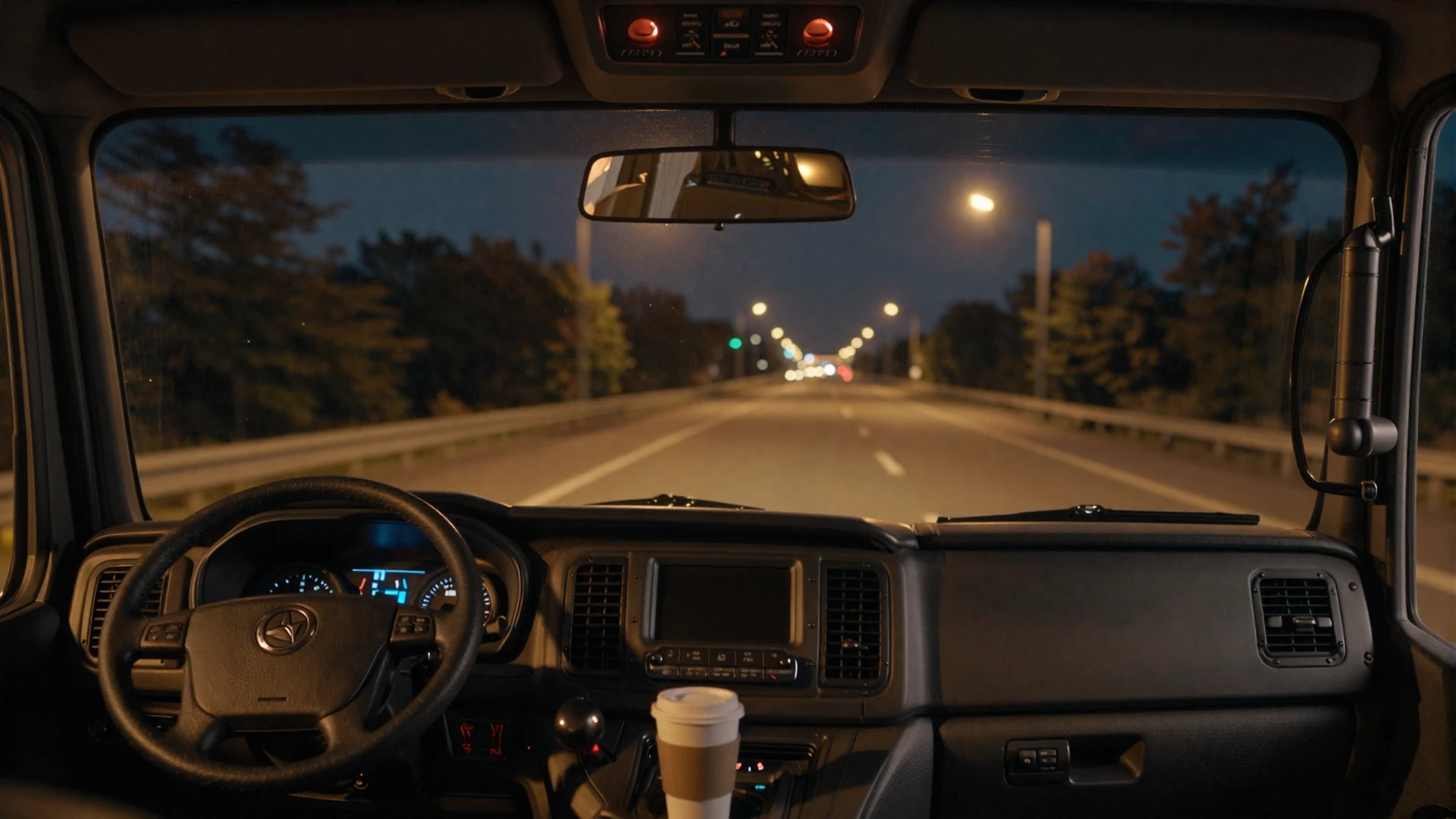
Being in a relationship with a truck driver means learning to love across distance, time zones, and unpredictable schedules. According to the American Trucking Associations, the average over-the-road driver spends 240+ nights away from home each year. That's two-thirds of the year spent in a cab, not a living room. Yet thousands of couples make it work - not through luck, but through intentional habits that keep connection alive across the miles. Whether you're married to a truck driver or just starting to date someone who travels for work, the strategies below are built on what real long-haul couples actually do.
Quick Takeaways for Long-Haul Couples
- Consistency beats quantity - a 10-minute nightly call matters more than an occasional hour-long conversation.
- Treat the driver's schedule as a fact of the industry, not a personal choice. Flexibility reduces friction on both sides.
- Maintain your own life: hobbies, friendships, and routines keep you grounded and prevent resentment from building.
- Plan the next visit before the current one ends - having a date on the calendar makes the distance feel temporary.
How to Maintain Your Relationship During Long Hauls
Every successful long-haul relationship follows a rhythm. These steps break down the core habits that keep couples connected when one partner lives on the road.
-
Establish a Daily Communication Ritual
Pick a time that works with the driver's hours-of-service break - usually during their 30-minute rest or at an overnight stop. A nightly video call, even just 10-15 minutes, creates a predictable anchor point that both partners can look forward to. The ritual matters more than the length. When a driver knows their partner is waiting at 9 PM, the road feels less lonely. When the partner at home knows the call is coming, the waiting feels purposeful. Use voice notes during driving hours to bridge the gaps between calls - a driver can listen at a fuel stop even when they can't hold a phone.
-
Manage Your Emotions Independently
Loneliness is the single biggest threat to a long-haul relationship. But relying entirely on your partner to fix that loneliness puts unfair pressure on both of you. Build a life that's full on its own: maintain friendships, pursue hobbies, stay active. When your partner calls, you'll have things to share instead of just silence and longing. This isn't about caring less - it's about being emotionally resilient enough to weather the stretches apart. Couples where the at-home partner has a rich independent life report significantly lower rates of resentment and anxiety. If you're struggling with loneliness on the road, you're not alone - and there are concrete ways to address it.
-
Plan Quality Time Before the Truck Leaves
Before every haul, sit down and plan what you'll do during home days. Don't leave it to improvisation - those precious 3-4 days evaporate fast. Choose one meaningful activity (a hike, a home-cooked dinner, a day trip) and protect it. Avoid filling home time with errands and obligations. The goal is making the driver feel like they're coming home to a person, not a to-do list. Also, agree on the next home window before the truck pulls out so both of you have a countdown - it transforms an open-ended absence into a finite one.
-
Use Technology to Stay Present in Each Other's Lives
Shared calendars, location-sharing apps (with mutual consent), and photo streams keep you connected beyond scheduled calls. Send a photo of your morning coffee, your walk, or the sunset from your window. Ask the driver to share a photo from a scenic rest stop. These small, ordinary moments create a sense of shared daily life that scheduled calls alone can't replicate. Technology is the bridge - but it only works when both partners use it consistently, not just when they're feeling lonely.

Managing Emotions When Your Partner Is Always Away
Dating someone who travels for work stirs up emotions that conventional relationships never trigger. The at-home partner often cycles through loneliness, frustration, jealousy, and guilt - sometimes all in a single day. The driver faces isolation, exhaustion, and the constant tension between wanting to be present and needing to keep moving. Recognizing these emotional patterns is the first step to managing them.
Here's the thing: the couples who thrive aren't the ones who never feel these emotions. They're the ones who've learned to name them, communicate them, and separate the trucking industry's chaos from their relationship's foundation. When your partner misses a call because of a load delay, that's logistics, not love. When they're quiet during a call, that's exhaustion, not disinterest.
"The distance doesn't break relationships - unspoken expectations do. The couples who last are the ones who say 'I'm feeling lonely today' instead of acting it out through silence or anger." - Family therapist specializing in transportation-industry couples, 2025
Practical Emotional Strategies
- Name the emotion, don't act it out. Instead of giving the cold shoulder, say "I'm feeling disconnected today." Direct communication prevents small feelings from becoming big conflicts.
- Keep a shared journal. Apps like Day One or a simple shared note let both partners record thoughts throughout the day. Reading your partner's entries during downtime creates intimacy even when calls aren't possible.
- Build a support network of other trucker partners. Online communities and Facebook groups for trucker spouses offer understanding that friends in conventional relationships simply can't provide.
- Celebrate small wins together. A completed haul, a good inspection, a scenic sunset - sharing these moments keeps you invested in each other's daily experience.
Scheduling and Planning: Making the Calendar Work for You
One of the hardest realities of being married to a truck driver is that their schedule isn't really theirs. Dispatchers, load assignments, weather, and Department of Transportation regulations all dictate when and where they drive. This means plans will change - sometimes hours before a promised home day. Fighting that reality is a losing battle. Working with it is how couples survive.
| Planning Approach | How It Works | Why It Helps |
|---|---|---|
| Shared digital calendar | Both partners update a Google Calendar with routes, estimated arrival times, and home days | Reduces "when will you be back?" anxiety and helps the at-home partner plan around realistic windows |
| Flexible home-day plan | Choose one anchor activity for home time, keep the rest open | Prevents disappointment when plans shift and ensures at least one meaningful moment together |
| Next-visit countdown | Agree on the next home window before the truck leaves | Transforms an open-ended absence into a finite one, giving both partners something to look forward to |
| Buffer days | Assume the driver will arrive 1-2 days later than estimated | Eliminates the emotional crash of a delayed homecoming and reduces pressure on the driver |
When Plans Fall Through
A promised home day that gets canceled is one of the most painful moments in a trucker relationship. The key is separating the disappointment from the relationship. Acknowledge the letdown, express it honestly, and then redirect - plan a call, send a care package, or schedule a virtual dinner date. The goal isn't to suppress the feeling; it's to prevent it from poisoning the connection. For more strategies on navigating the emotional side of road life, read our guide on long-distance relationships with truckers.
Relationship Tips for Couples on the Road
Every long-haul couple develops their own playbook over time. Here are the strategies that consistently show up in relationships that last - whether you've been married to a truck driver for a decade or you're newly dating someone who travels for work.
- Never end a call on an argument. If tension rises, table the conversation for the next call. Ending on conflict leaves both partners stewing for hours or days with no resolution.
- Send care packages. A box of snacks, a handwritten note, and a small gift delivered to a truck stop reminds your partner they're loved, not just managed.
- Learn the trucking lingo. Understanding terms like "deadhead," "reefer," and "hours-of-service" shows your partner you're invested in their world - not just waiting for them to leave it.
- Plan a road trip together. If possible, ride along for a haul. Experiencing the cab, the stops, and the rhythm of the road builds empathy that no phone call can match.
- Protect intimacy. Schedule video dates, send thoughtful messages, and keep physical and emotional closeness a priority - even from 1,000 miles away. Distance doesn't kill intimacy; neglect does.
- Celebrate anniversaries of all sizes. The first completed haul together, the first holiday survived apart, the first truck stop visit - marking these moments builds a shared story.
Maintaining a relationship during long hauls isn't about enduring the distance - it's about building a partnership that's stronger because of it. The couples who succeed treat the road as a shared challenge, not a wedge. They communicate intentionally, plan realistically, and never lose sight of why they chose each other in the first place. If you're ready to meet someone who understands this life, Trucker Dating connects you with women and CDL drivers who get it. You can also explore how to date a truck driver or find local connections through trucker dating in Florida and Houston trucker dating.
Frequently Asked Questions
Common questions about maintaining relationships with truck drivers, answered directly.
Is it hard to be in a relationship with a truck driver?
Being in a relationship with a truck driver is challenging but entirely manageable when both partners commit to consistent communication and realistic expectations. The main difficulties are extended absences (OTR drivers are typically home 3-4 days per month), unpredictable schedule changes driven by freight assignments, and limited communication during driving hours. Couples who succeed treat these as industry realities rather than personal failings, establish daily communication rituals, and maintain independent lives so the relationship enhances rather than consumes them.
How do you maintain intimacy when married to a truck driver?
Intimacy in a long-haul marriage is maintained through intentionality, not proximity. Schedule regular video calls during overnight stops, send thoughtful messages and photos throughout the day, and plan meaningful activities for home days. Many couples also use shared journals, care packages, and virtual date nights to stay emotionally close. The key is treating intimacy as a priority that requires effort - not something that happens automatically when the driver walks through the door.
What should I do when my truck driver partner misses an important event?
First, acknowledge the disappointment honestly - suppressing it builds resentment. Then, create an alternative celebration: record a video message, plan a makeup date during the next home window, or send a care package. Understand that missing events is rarely the driver's choice - it's driven by load assignments and federal regulations. Separating the industry's chaos from your relationship's foundation is essential. For more on this, read our guide on life on the road and dating.
How often should we communicate when my partner is on a long haul?
There's no universal answer, but consistency matters more than frequency. Most successful long-haul couples establish a daily communication ritual - typically a 10-15 minute video call during the driver's overnight stop - supplemented by voice notes and texts during the day. The goal is a predictable anchor point that both partners can rely on, not constant contact that's unrealistic given driving hours and cell signal limitations.
Can dating someone who travels for work actually strengthen a relationship?
Yes. Many couples report that distance forces intentional communication that conventional relationships often skip. When you can't take each other for granted, you learn to express appreciation, plan quality time, and communicate honestly. The independence required also means both partners maintain full lives rather than becoming emotionally dependent. For couples who embrace the lifestyle, the road can build a bond that's stronger - not weaker - than relationships built on daily proximity.
What are the warning signs that a long-haul relationship is struggling?
Watch for communication that becomes purely transactional ("did you eat?" with no follow-up), growing resentment about the schedule, avoidance of calls, and a sense that home time feels like an obligation rather than a joy. These signs don't mean the relationship is doomed - they mean it needs attention. Consider speaking with a relationship counselor who understands the transportation industry, and read our online dating tips for truck drivers for communication strategies.